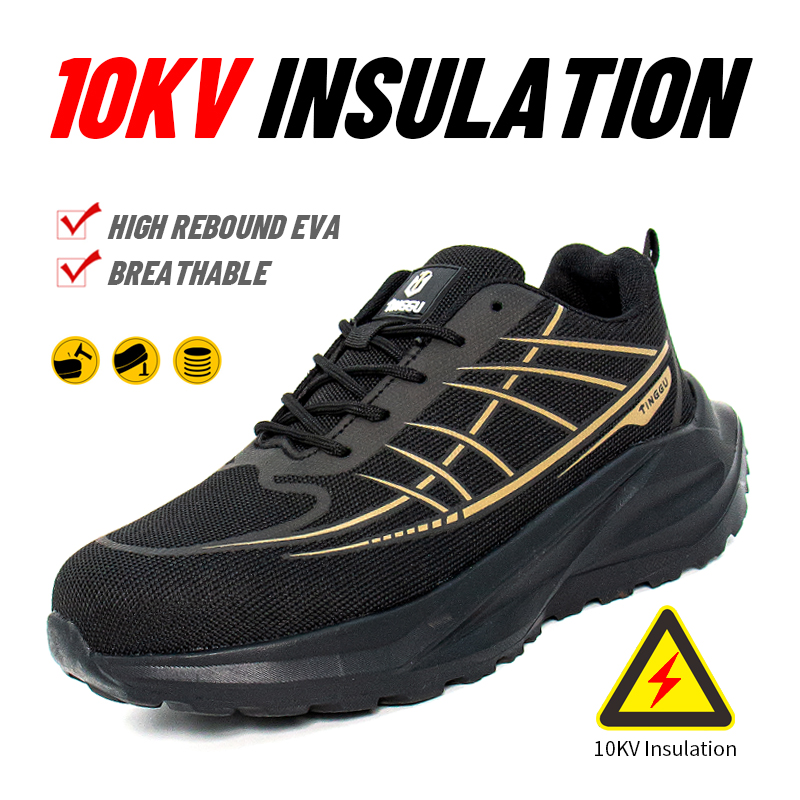
 Zapatos de seguridad TingGu

Los zapatos de seguridad antiestáticos y con aislamiento eléctrico brindan protección eléctrica opuesta para escenarios industriales., and they cannot replace each other.
Anti-static footwear adopts moderately conductive soles to safely discharge static electricity accumulated on human bodies to the ground. It stops sudden electrostatic sparks that may ignite flammable gas, dust and chemical solvents, and also guards delicate electronic chips from static breakdown. It fits electronics workshops, pharmaceutical factories, oil refineries, chemical plants and paint workshops where static sparks bring explosion or product damage risks.
Insulated safety shoes are made of non-conductive dielectric materials with high resistance. They isolate workers from the ground to block electric current flowing through the body, defending workers against electric shock when touching live circuits. Standard styles support 6kV or below low-to-medium voltage operations, ideal for electricians, power maintenance, electrical installation and circuit overhaul on construction sites and power stations.
Key reminder: Anti-static shoes offer zero anti-shock protection, while insulated shoes cannot release static charges. Factories must allocate proper footwear strictly according to onsite hazards to ensure occupational safety.