 รองเท้าความปลอดภัยสูง

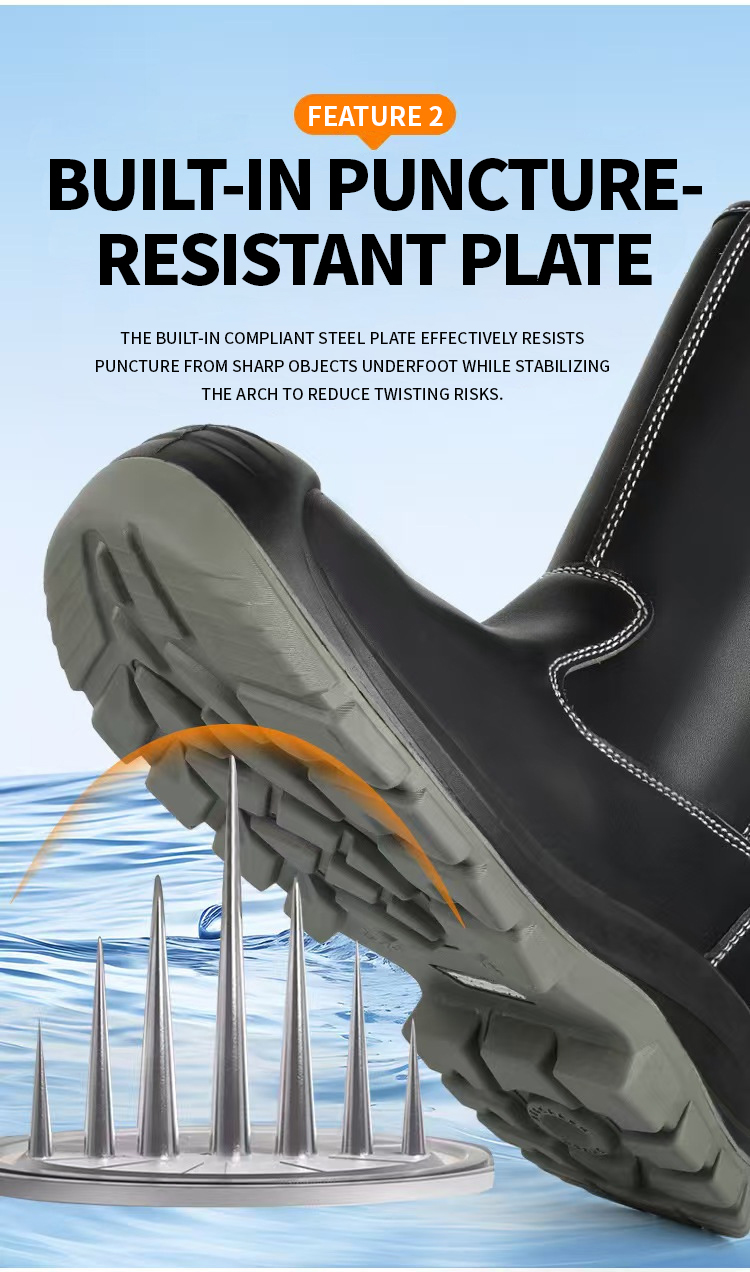
The sole is the most critical component of safety shoes, determining grip, durability, comfort, and protection. Different work environments demand specific sole materials to ensure optimal performance and safety.
Rubber Soles are the traditional choice for harsh industrial settings. Made from natural or synthetic rubber (often nitrile), they offer exceptional abrasion resistance, heat tolerance, and chemical protection against acids and alkalis. Their deep tread patterns provide superior traction on slippery or uneven surfaces, though they tend to be heavier than modern alternatives.
Polyurethane (PU) Soles are lightweight and flexible, significantly reducing foot fatigue during long shifts. They excel in shock absorption and offer good slip resistance on common workplace floors. PU soles resist most chemicals but may degrade in extreme heat above 130°C.
Thermoplastic Polyurethane (TPU) Soles combine rubber’s durability with PU’s lightness. They are highly resistant to splitting and maintain shape under heavy use, making them ideal for demanding jobs requiring both flexibility and longevity.
Dual-Density PU Soles feature a soft inner layer for comfort and a hard outer layer for protection, balancing cushioning with slip resistance.
EVA Soles are the lightest option, providing excellent insulation and shock absorption for indoor environments.
Choosing the right sole material depends on workplace hazards—oil, chemicals, heat, or uneven terrain—ensuring both safety and comfort for workers.